No-Dig Septic Solutions
Septic Tank & Cesspit Emptying London
For London homes and businesses relying on septic tanks or cesspits, routine emptying is essential for system health and environmental compliance. Traditional methods can involve disruptive excavation to access buried tank lids or compromised drainage lines, damaging gardens, driveways, and landscaping.
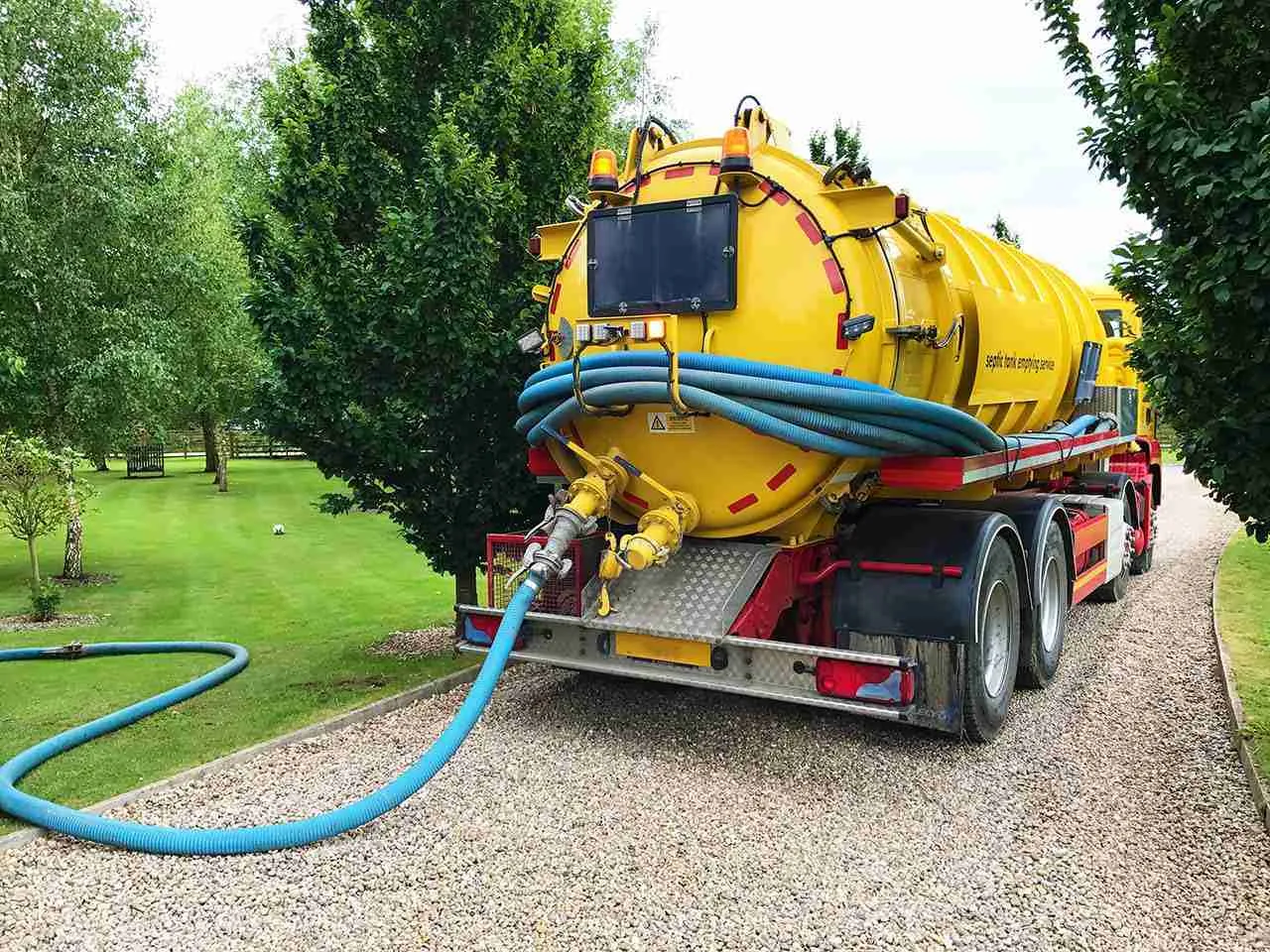
Our service is built on a no-dig principle, designed specifically to preserve your property. We utilise specialised vacuum tankers and access techniques that target the tank itself without unnecessary digging, ensuring the job is completed efficiently and cleanly.
Whether you're in a period property in Hampstead with limited access, a suburban home in Richmond with extensive landscaping, or a commercial property in the city, our approach prioritises minimal disruption. We focus on the precise task—removing waste and inspecting key components—without turning your site into a construction zone.
Pricing is based on the tank's size and its accessibility, not on excavation costs. A clear quote is provided after a remote or on-site assessment of these factors.
What you get
- No-dig access methods to avoid excavating gardens, driveways, or patios to reach tank lids.
- High-volume vacuum tankers for efficient, odour-controlled removal of sludge and wastewater.
- Post-emptying inspection of inlet/outlet pipes using drain cameras to identify potential issues early.
- Recommendations for system health, including advice on bacterial treatments and maintenance schedules.
- Safe disposal of waste at licensed treatment facilities, fully compliant with Environment Agency regulations.
- Focused service that leaves your property intact, with no unnecessary trenching or landscape damage.
How it works
A method, not a guess
01
1. Site Assessment & Access
Our engineers assess your property to locate the tank lid and plan the least invasive access route. We use existing inspection covers or minimal probing to avoid excavation where possible.
02
2. No-Dig Emptying
Using a powerful vacuum tanker, we empty the tank completely. The hose is fed directly to the tank opening without the need for digging up large areas around it.
03
3. System Check
We can perform a CCTV inspection of the inlet and outlet pipes to check for blockages or damage. This is done via existing access points, maintaining the no-dig approach.
04
4. Site Restoration
The access point is securely resealed. Since our methods avoid major excavation, there is no significant reinstatement required—your garden or driveway remains undisturbed.
Questions
Septic Tanks FAQs for London homeowners
Do you have to dig up my garden to empty the septic tank?
No. Our no-dig approach uses specialised equipment to access the tank via its existing lid or inspection chamber. We avoid excavating gardens, driveways, or landscaping wherever possible, focusing solely on the necessary access point.
How often should my septic tank or cesspit be emptied?
The frequency depends on tank size and usage, typically ranging from once a year to every few years. We can advise on an optimal schedule during service. Regular, professional emptying prevents system failure and avoids the more invasive repairs that might require excavation later.
What happens to the waste you remove?
All waste is transported in our sealed tankers to licensed treatment facilities, as required by law. We handle the entire process, ensuring full environmental compliance without any need for on-site storage or disposal that could disturb your property.
Can you inspect the tank and pipes without digging?
Yes. After emptying, we can use a small, flexible CCTV camera inserted through existing access points to inspect the inlet and outlet pipes. This allows us to identify issues like root intrusion or structural damage early, often before they necessitate disruptive excavation for repairs.
My tank lid is buried or inaccessible. What then?
We use precise probing to locate the lid and then employ minimal-exposure techniques to uncover it, avoiding large-scale digging. The goal is always to limit the excavation to the absolute minimum required to perform the service, preserving the surrounding area.
Explore the cluster
Related drainage services & guides
Drain clearance
Fast, fixed-price blockage clearance
High-pressure jetting
Grease, silt and debris cleared
CCTV drain survey
Camera diagnosis, written report
No-dig relining
Repairs a pipe without excavation
Root cutting
Root ingress cleared same visit
Emergency drainage
Urgent response, clear pricing
Pricing
Published rates by job type and time band
Areas we cover
All 33 London boroughs
Drainage guide
The complete guide to London drainage
Insurance claims
CCTV documentation for claims
London-wide
Septic Tanks across all 33 boroughs
Same multi-method kit and fixed-fee approach from Barking to Richmond. Pick your borough for local housing detail.
People also book
Soakaways
London soakaway installation, clearance and repair kept trenchless wherever the ground allows: lining and patch repair restore flow without opening the garden.
Learn moreDrain Repair
London drain repair starts trenchless: CIPP relining and patch repair fix the defect from inside, and we only recommend digging when a pipe cannot be lined.
Learn moreEmergency Call-Out
Urgent blockages and collapses in London handled trenchlessly where the pipe allows: jetting to restore flow, then CIPP relining instead of an emergency dig.
Learn moreDrain failing under something you would rather not dig up?
Tell us the symptoms and your postcode. We confirm what the CCTV survey covers and when an engineer can attend before you commit to anything.
Book a CCTV survey