What Causes a Blocked Drain? Common Culprits & Trenchless Solutions
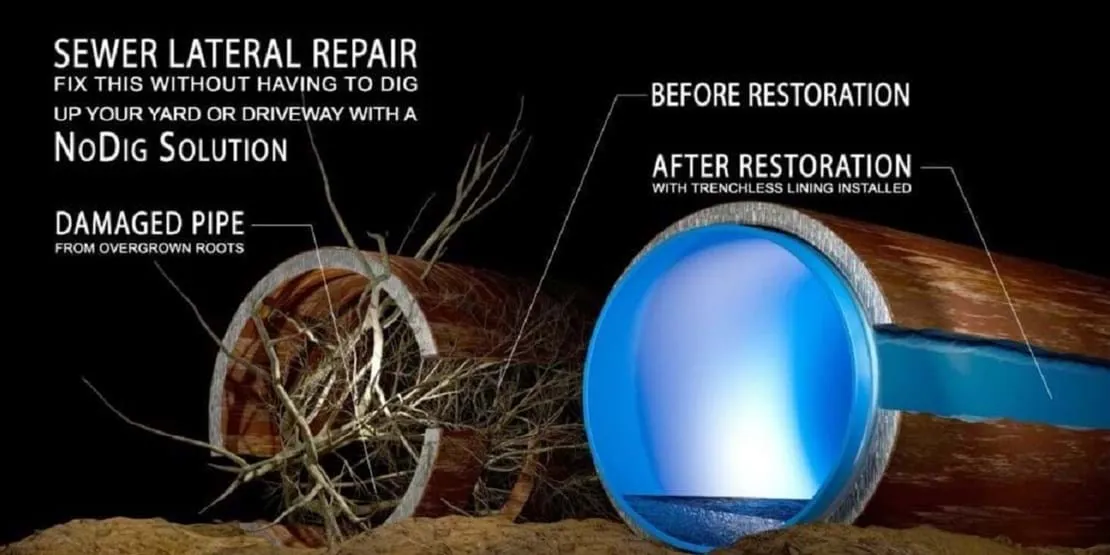
Understanding what causes a blocked drain is the first step to a lasting solution. We explain common issues and how trenchless CIPP relining repairs them without excavation.
The Underlying Causes of Drainage Blockages
Blocked drains are more than an inconvenience; they signal a problem within your drainage system. The causes typically fall into two categories: accumulative blockages from daily use, and structural issues that impede flow. Understanding the root cause is essential for choosing the correct repair method, especially when aiming for a permanent fix with minimal property disruption.
Common Accumulative Blockages
Daily activities contribute to most household drain blockages. Cooking fats and grease solidify inside pipes, creating a sticky trap for other debris. Hair, soap scum, and non-flushable items like wipes and sanitary products are frequent offenders in bathrooms. In external drains, washed-in soil, leaves, and general silt can gradually build up and restrict water flow. While these can often be cleared with high-pressure jetting, recurring blockages in the same section often indicate a deeper, structural problem that cleaning alone cannot resolve.
Structural Issues Requiring a Permanent Fix
When blockages persist, the cause is often physical damage to the pipe itself. Ground movement or heavy surface loads can cause pipes to crack, fracture, or collapse. Invading tree roots seek out moisture and can exploit tiny cracks, growing inside and creating a dense, living blockage. Old pipes, particularly those made of clay or cast iron, can degrade, with joints failing and sections sinking. These are not simple blockages; they are defects in the pipe's integrity. Traditionally, fixing them meant excavating a trench to expose and replace the pipe—a disruptive, costly, and time-consuming process.
Our Trenchless Approach to the Cause
Our methodology addresses the cause, not just the symptom, without excavation. Using a CCTV drain survey, we first diagnose the exact cause and location of the problem. If the issue is structural, we recommend Cured-In-Place Pipe (CIPP) relining. This no-dig technique involves inserting a resin-saturated liner into the damaged pipe. Once inflated and cured, it forms a new, jointless pipe within the old one, sealing all cracks and preventing root ingress. This not only fixes the immediate cause of the blockage but also strengthens the pipeline for decades. The process is completed with minimal disruption to your garden, driveway, or flooring, aligning with our core principle of providing robust solutions without the mess and delay of traditional digging.
Preventing Future Blockages
After a no-dig repair, maintaining clear drains is straightforward. Avoid pouring fats down sinks and use drain guards to catch hair and food particles. Be mindful of what you flush. For external drains, keep grates clear of leaves. Most importantly, a relined pipe with its smooth interior is far more resistant to future grease adherence and root penetration, giving you lasting peace of mind. When a slow drain suggests a deeper issue, our trenchless technology offers a precise, reassuring solution that targets the root cause efficiently.
Frequently asked questions
If tree roots cause my blocked drain, does trenchless relining work?
Yes, CIPP relining is an excellent solution for root-damaged pipes. The new, seamless liner created inside your old pipe completely blocks root entry points and has a smooth interior that roots cannot grip. It repairs the cause permanently without the need to excavate and remove the roots from around the pipe.
How do you find out what's causing the blockage without digging?
We use a high-resolution CCTV drain camera survey. This allows our engineers to inspect the full interior of the pipe in real time, identifying the exact location and nature of the blockage—be it a grease build-up, a collapsed section, or invading roots—all without a single trench being dug.
Is no-dig repair suitable for all types of drain blockages?
Trenchless CIPP relining is designed for structural repairs like cracks, fractures, and root intrusion. For simple accumulative blockages from grease or debris, high-pressure jetting is usually sufficient. Our CCTV survey determines the exact cause and recommends the most effective, least disruptive solution for your specific situation.