Slow Draining Sink: Common Causes and Trenchless Solutions
A slow-draining sink is a common warning sign of underlying drainage issues. We explore the typical causes and how modern trenchless repairs can resolve them without excavation.
Why Is Your Sink Draining Slowly?
A sink that drains slowly is more than a minor annoyance; it's often the first sign of a developing blockage or structural issue within your drainage pipes. While reaching for a chemical drain cleaner might be a tempting quick fix, these products often provide only temporary relief and can damage older pipework. Understanding the root cause is key to implementing a lasting solution that prevents recurrence and protects your property.
Common culprits for kitchen sinks include the accumulation of fats, oils, and grease (FOG), which solidify inside pipes, and food debris that hasn't been properly disposed of. In bathrooms, hair, soap scum, and toothpaste are the usual suspects. These materials combine to create stubborn obstructions that gradually worsen, leading to complete blockages if left unaddressed.
Beyond Simple Blockages: Structural Pipe Issues
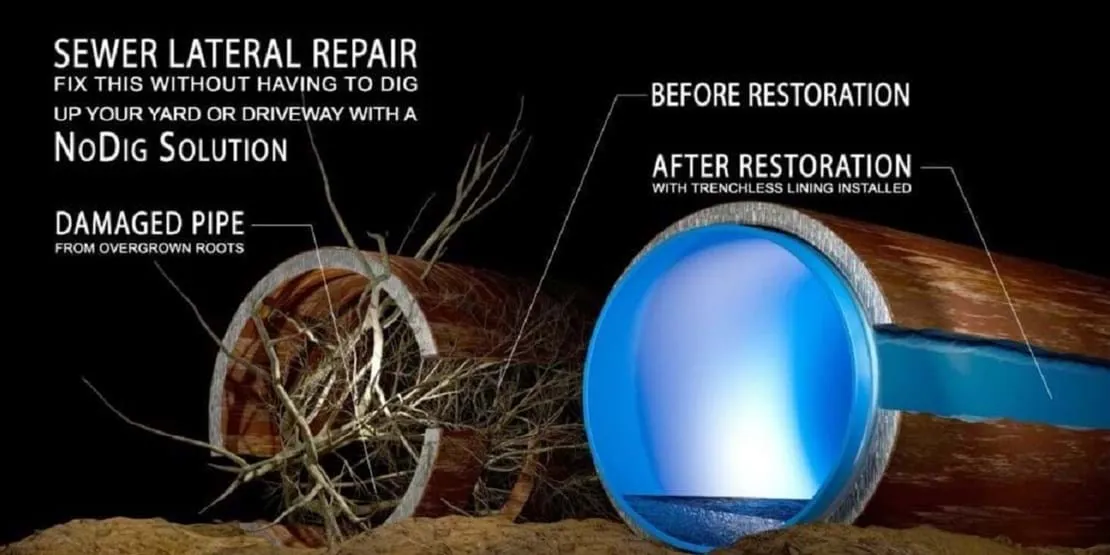
Sometimes, a persistently slow drain indicates a problem that no amount of plunging can fix. In older properties, pipes can degrade, collapse, or suffer from misaligned joints. Tree root intrusion is another serious issue, where roots seek out moisture and infiltrate small cracks or pipe joints, causing blockages and structural damage. Traditional repair methods for these problems involve extensive excavation—digging up floors, driveways, or gardens—which is disruptive, time-consuming, and costly.
This is where our specialist no-dig approach provides a superior alternative. We focus on diagnosing the exact cause and location of the problem using high-resolution CCTV drain surveys. This precise inspection allows us to recommend the most effective trenchless repair, avoiding unnecessary excavation and the significant disruption it brings to your home or business.
Our Trenchless Repair Solutions
For repairing the pipes causing your slow drain, our primary method is Cured-In-Place Pipe (CIPP) lining. This is a sophisticated no-dig technique where we insert a resin-saturated felt liner into the existing damaged pipe. The liner is then inflated and cured using hot water or steam, forming a tough, seamless, and jointless new pipe within the old one. The result is a structurally sound pipeline with a smooth interior that improves flow and prevents future buildup.
The entire process is carried out with minimal disruption. Access is typically gained via existing manholes or small, strategically placed entry points, meaning we can often complete the repair without digging a single trench on your property. This preserves your landscaping, driveways, and internal floors, and allows you to use your kitchen or bathroom again much faster than with traditional methods. Our engineers are experts in these precise, clean techniques, ensuring a reliable, long-term fix for the cause of your slow-draining sink.
If a severe blockage is the sole issue, we may employ high-pressure water jetting to scour the pipe walls clean before a CCTV survey confirms no structural repair is needed. However, if the survey reveals cracks, fractures, or root damage, CIPP lining provides a robust and permanent solution. By addressing the root cause with a trenchless repair, we not only restore proper drainage but also extend the lifespan of your underground pipework for decades.
Frequently asked questions
Can a slow-draining sink fix itself, or should I always call a professional?
A slow drain rarely resolves itself and typically worsens over time. While simple sink trap blockages can sometimes be cleared manually, persistent slowness often indicates a deeper issue within the main waste pipe. Professional diagnosis with a CCTV survey is the only way to accurately identify the cause, be it a deep blockage, structural damage, or root intrusion, and recommend the correct fix.
How does no-dig pipe relining work for a sink drain?
No-dig relining, specifically CIPP, repairs the pipe from the inside without excavation. After a CCTV survey locates the problem, we clean the pipe thoroughly. A flexible liner impregnated with resin is inserted through an existing access point and guided to the damaged section. It is then inflated and cured to form a hard, durable new pipe wall within the old one. This seals cracks, bridges gaps, and creates a smooth surface for optimal flow, all with minimal disruption to your property.
Is trenchless repair suitable for all types of pipe causing a slow drain?
Trenchless CIPP lining is highly versatile and can be applied to most common pipe materials, including clay, concrete, cast iron, and PVC. The suitability depends on the pipe's condition, which is why a prior CCTV survey is essential. In the vast majority of cases for residential and commercial properties, we can implement a no-dig solution, avoiding the need for disruptive and costly excavation to replace the pipes.