Recognising the Signs of a Blocked Drain at Home: A No-Dig Guide
Early detection of a blocked drain can save you from major property damage. We explain the common warning signs and how trenchless repair methods provide a swift, clean solution.
Spotting a blocked drain early is crucial for preventing serious issues like slow drainage, overflows, and potential damage to your home's foundations. As specialists in trenchless, no-dig repairs, we understand that the first step to a solution is recognising the problem. This guide walks you through the subtle and not-so-subtle signs that your drain needs attention, and explains why our minimal-disruption approach is the smartest response.
The Early Warning Signs
Often, a blockage doesn't announce itself with a dramatic flood. Instead, you might notice your sink, bath, or shower draining more slowly than usual. This is one of the most common early indicators. Another telltale sign is the presence of unpleasant odours emanating from your plugholes or drains, caused by trapped waste beginning to decompose. Listen, too: gurgling sounds from your toilet or sink when water is draining elsewhere can indicate trapped air struggling to pass a blockage in the main line.
More Serious Indicators
If early warnings are missed, the signs become more apparent and urgent. You may experience water backing up into sinks, baths, or even low-level fixtures like a downstairs toilet when you flush an upstairs one. In severe cases, you might see wastewater rising out of inspection chamber covers or gully grids in your garden. Outside, an unusually lush or soggy patch of lawn, particularly near a drain run, can indicate a leak or overflow from a blocked pipe.
Why Choose a No-Dig Solution for Drain Blockages
Traditional excavation to access and replace a blocked or damaged drain is disruptive, expensive, and time-consuming. It involves digging trenches through your garden, driveway, or even floors. Our approach is fundamentally different. First, we use high-resolution drain CCTV surveys to pinpoint the exact location and nature of the blockage or damage. This diagnostic step is key to planning the most effective repair.
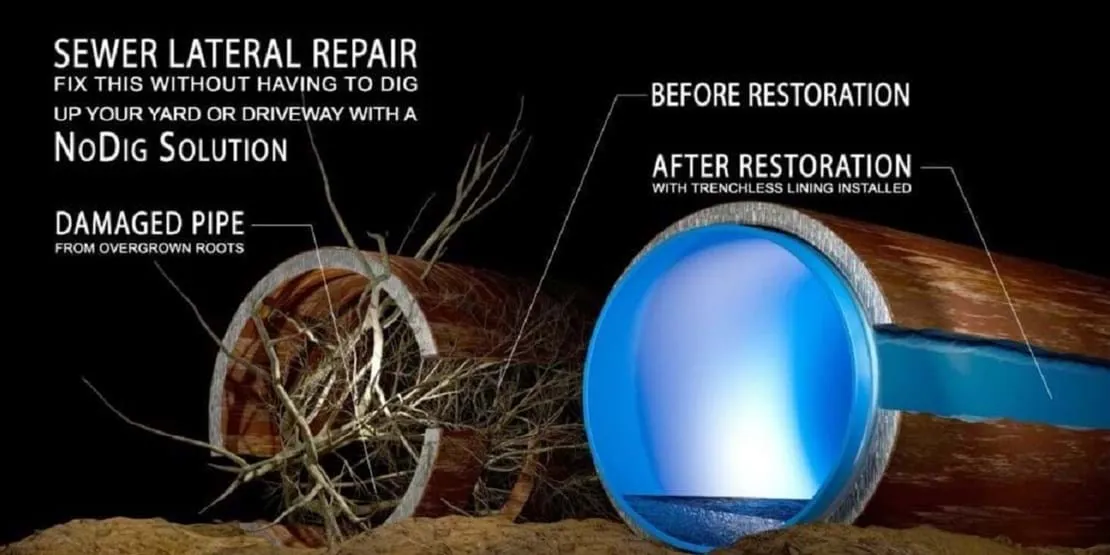
For persistent or structural blockages caused by collapsed pipes, root intrusion, or heavy scale build-up, we typically recommend Cured-In-Place-Pipe (CIPP) relining. This no-dig technique involves inserting a resin-saturated liner into the existing pipe and curing it in place to form a new, jointless, and durable pipe-within-a-pipe. It effectively clears the blockage by creating a new smooth-bore surface, and strengthens the existing line. The entire process is completed via your existing access points, leaving your property intact.
For less severe internal blockages, our engineers use high-pressure water jetting to scour the pipe walls and remove grease, scale, and debris. This is a highly effective cleaning method that restores flow without any need for excavation.
Taking the Next Step
If you recognise any of the signs described, we recommend acting promptly. Left unchecked, a simple blockage can lead to pipe damage, overflows, and health hazards. Our process begins with a thorough CCTV survey to diagnose the issue accurately. From there, we can advise on the most efficient no-dig solution, whether it's jetting or CIPP relining, ensuring your drainage is restored with minimal fuss and maximum reliability.
Frequently asked questions
Will fixing my blocked drain require digging up my garden?
In the vast majority of cases, no. As no-dig specialists, we use CCTV surveys to diagnose the issue and then employ techniques like high-pressure water jetting or CIPP relining. These methods repair or clear the drain through existing access points, eliminating the need for disruptive and costly excavation.
How does CIPP relining clear a blocked drain?
CIPP relining addresses the cause of persistent blockages, such as collapsed pipe sections, root ingress, or heavy scaling. The process creates a new, smooth, structural pipe within the old one. This not only removes the obstruction but also prevents future blockages by eliminating joints and rough interiors where debris typically catches.
Are odours always a sign of a blockage?
While not always a full blockage, persistent foul smells from drains are a strong indicator of a problem. They often signal a build-up of waste or a partial blockage that is causing water to stagnate. A CCTV survey can quickly identify if there's a restriction or damage allowing gases to escape, and a no-dig clean or repair can effectively resolve it.