Septic Tank Maintenance Checklist: How to Prevent Issues Without Major Excavation
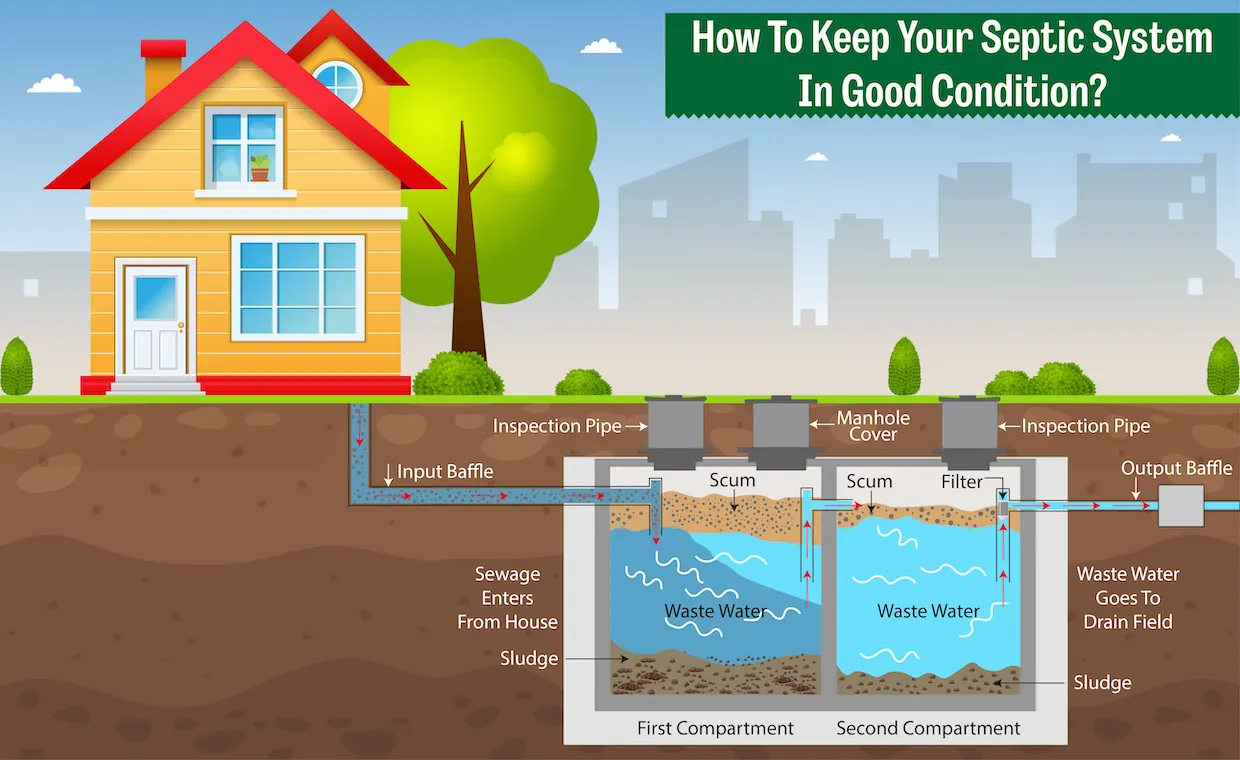
A proactive septic tank maintenance checklist is key to avoiding catastrophic failures and the need for disruptive excavation. We outline the essential tasks.
The Core Principle: Prevention Over Major Excavation
As specialists in trenchless repair, our primary goal is to help property owners avoid the extensive disruption and cost of excavating a septic tank. The most effective strategy is consistent, proactive maintenance. A well-maintained system rarely fails catastrophically, which is precisely what spares you from needing a major dig. This checklist is designed from that perspective: to keep your system functioning smoothly and to identify minor issues before they escalate into emergencies that require heavy machinery and a torn-up garden.
Your Essential Septic Tank Maintenance Checklist
Regular Inspections and Pumping: This is non-negotiable. We recommend having a professional inspect and pump your tank according to general industry guidelines based on household size and tank capacity. Regular removal of sludge prevents solids from flowing into the drainfield, which is a leading cause of system failure and subsequent invasive repair work.
Monitor Drainage Performance: Pay close attention to how your household drains are behaving. Slow-draining sinks, gurgling pipes, or unpleasant odours indoors can be early warnings of a septic issue. Addressing these signs promptly with a professional inspection can often resolve the problem via accessible points, avoiding the need to locate and expose the tank itself.
Landscape and Access Awareness: Know where your tank and drainfield are located and keep the area clear. Avoid planting deep-rooted trees nearby and never park vehicles or place heavy structures over the system. Crucially, ensure your tank's inspection lids are always accessible. If they are buried, having a professional install risers to bring them to ground level is a minor, non-disruptive task that saves immense effort during future inspections or potential relining.
Mind What Goes Down the Drain: Your maintenance routine starts inside the house. Avoid flushing anything besides human waste and toilet paper. Never pour fats, oils, or harsh chemicals down the drain. These substances can disrupt the bacterial balance in your tank, leading to clogs and failures that may require intervention.
When Maintenance Isn't Enough: Trenchless Solutions
Even with excellent maintenance, components can age and fail. If a professional inspection reveals cracks, holes, or structural issues within the septic tank itself, traditional thinking would call for excavation and replacement. However, our expertise lies in no-dig solutions. Techniques like CIPP (Cured-In-Place Pipe) relining can often be adapted or applied to rehabilitate damaged tanks or connecting pipes from the access points you've kept clear.
This process involves inserting a resin-saturated liner into the existing structure and curing it to form a tough, jointless new pipe or wall within the old one. It restores structural integrity and prevents leakage without any excavation beyond the access point. By following the maintenance checklist above, you not only prevent many issues but also ensure that if a repair is needed, we can likely employ these minimal-disruption techniques, keeping your garden intact and saving you significant time and cost.
Ultimately, a disciplined approach to septic tank maintenance is your best defence against disruptive repair scenarios. It allows for planned, controlled interventions using the least invasive methods available, which is the cornerstone of our trenchless philosophy.
Frequently asked questions
How often should I get my septic tank pumped?
The frequency depends on tank size and household usage, but general plumbing guidelines suggest an inspection every 1-3 years and pumping typically every 3-5 years. Consistent scheduling prevents sludge overflow, which is a common cause of drainfield failure and the need for major excavation.
Can a leaking septic tank be repaired without digging it up?
In many cases, yes. As no-dig specialists, we assess damage via camera surveys. Techniques like structural relining can seal cracks and holes from the inside by installing a resin-hardened liner through the tank's access points. This avoids the major excavation required for a full replacement.
What are the early warning signs of septic tank problems?
Key signs include slow-draining fixtures, gurgling sounds in pipes, sewage odours indoors or near the tank, and unusually lush or soggy grass over the drainfield. Catching these early allows for simpler, less invasive diagnostics and repairs, often via existing access points.