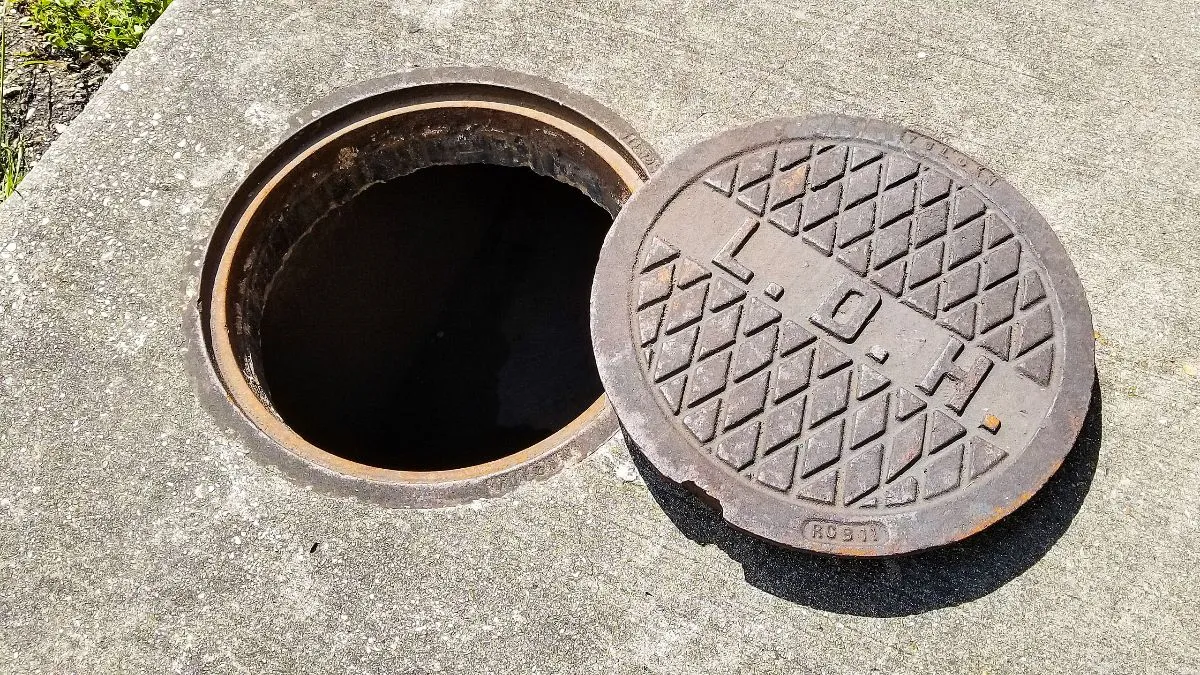
A damaged manhole cover is a serious safety and drainage risk. We explain the immediate actions to take and how trenchless repair methods provide a permanent, minimally disruptive solution.
Discovering a cracked, broken, or completely collapsed manhole cover on your property or the public highway is a serious issue that requires immediate attention. It presents a significant safety hazard and can indicate deeper problems within the drainage system below. The instinct might be to think of excavation and full replacement, but modern trenchless techniques offer a far superior solution. As no-dig specialists, we provide precise, permanent repairs with minimal disruption to your property.
Immediate Actions for a Damaged Manhole Cover
Your first priority must be safety. A cracked cover can fail completely under weight, and a collapsed chamber creates an open, deep hole. If the cover is on public land, such as a pavement or road, you should report it immediately to the local council or utility company, as they are typically responsible. On private property, cordon off the area clearly to prevent anyone from approaching it. Do not attempt to lift or move a damaged cover yourself, as it may be unstable and the chamber beneath could be dangerous. This is the point to call in drainage professionals.
The Problem Beneath the Surface
A failed cover is rarely an isolated issue. It is usually a symptom of a failing brick or concrete chamber beneath. Over decades, these structures can degrade from ground movement, water infiltration, or chemical attack from sewage. The walls crack and weaken, leading to inward collapse or subsidence that ultimately damages the cover frame and lid. Traditional repair would involve digging a large excavation to expose and rebuild the entire chamber—a messy, lengthy, and costly process that destroys landscaping, driveways, or flooring.
The No-Dig Solution: CIPP Relining for Manhole Chambers
Our specialist approach avoids all that disruption. Using cured-in-place pipe (CIPP) technology, we can structurally reline the damaged chamber from the inside. The process begins with a high-definition CCTV survey to assess the exact condition. We then thoroughly clean the chamber. A resin-saturated felt liner, tailored to the chamber's dimensions, is inverted or inserted into the structure. Using steam or UV light, we cure the liner hard in place, creating a seamless, jointless, and corrosion-resistant new structural wall inside the old one.
This new composite structure is often stronger than the original brickwork. It seals all cracks, stops groundwater infiltration, and stabilises the surrounding ground. Once the chamber is restored, we can then safely install a new, secure access cover. The entire process is carried out via the existing opening, requiring only minimal, localised access. There is no need for destructive digging, meaning your garden, driveway, or commercial yard remains intact, and the job is completed in a fraction of the time.
Why Choose a Trenchless Repair
Opting for a no-dig repair method for a collapsed manhole delivers clear benefits. The most significant is the drastic reduction in disruption and reinstatement costs—you avoid the expense and hassle of excavating, disposing of spoil, and then re-laying surfaces. The structural CIPP liner provides a long-term, waterproof solution that addresses the root cause, not just the visible symptom. Furthermore, the work is completed swiftly by our engineers, reducing downtime and risk exposure on your property. For a hazardous problem like a collapsed manhole, a precise, trenchless repair is the most intelligent and least invasive permanent fix.
Frequently asked questions
Is a cracked manhole cover dangerous?
Yes, it is a significant hazard. A crack can quickly become a complete collapse under foot or vehicle traffic, creating a deep, open hole that risks serious injury. It also indicates likely structural failure of the chamber below, which can lead to localised subsidence.
Can you repair a collapsed manhole without digging?
Absolutely. As no-dig specialists, we use CIPP (cured-in-place pipe) structural relining to repair the chamber from the inside. A resin liner is installed and hardened in place, creating a new, strong wall within the old structure. This avoids the massive excavation traditionally required.
How long does a no-dig manhole repair take?
The process is remarkably fast compared to excavation. After assessment and cleaning, the lining and curing process is typically completed within a day for a standard chamber. The speed is a key advantage, minimising site disruption and restoring safe access quickly.