Landlord Drainage Responsibilities Explained | Minimising Disruption
We explain a landlord's legal obligations for drainage and sewer systems, and how modern no-dig repair methods ensure compliance with minimal tenant disruption.
Understanding Your Legal Obligations for Drainage
As a landlord in the UK, you have a clear legal duty to ensure the drainage and sewer systems serving your rental property are in good working order. This responsibility is enshrined in the Landlord and Tenant Act 1985, which requires you to keep in repair the structure and exterior of the property, including drains, pipes, and external guttering. Furthermore, the Environmental Protection Act 1990 places a duty of care on you to ensure waste from your property is disposed of correctly, which fundamentally relies on a functioning drainage system. A failure to address drainage issues can lead to health hazards, property damage, and potential legal disputes with tenants or local authorities.
Common Drainage Issues and the Landlord's Duty to Repair
The most frequent problems include blockages in internal pipes, blocked or collapsed external drains, and issues with shared sewers. For internal blockages within the property's boundaries, the responsibility is typically yours as the landlord, unless it can be proven the tenant caused the blockage through misuse. For external drains and the lateral drain that runs from your property boundary to the public sewer, you are also responsible for its maintenance and repair. Problems with the main public sewer itself fall to the local water company. When an issue arises, it is your obligation to arrange for a professional diagnosis and repair in a reasonable timeframe to prevent further damage or inconvenience to your tenants.
How Trenchless Solutions Fulfil Your Duties with Minimal Disruption
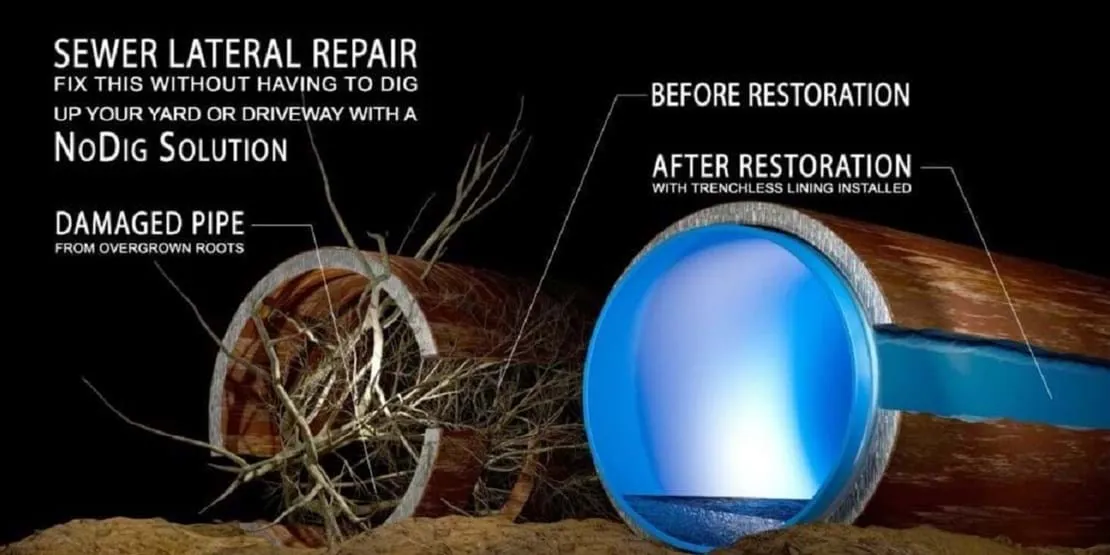
Traditionally, repairing a damaged drain meant extensive, disruptive, and costly excavation across the property. Today, as no-dig specialists, we provide compliant, long-term solutions that avoid this entirely. Our primary method is CIPP (Cured-In-Place Pipe) relining. This involves inserting a resin-saturated liner into the existing damaged pipe and curing it in place to form a new, jointless pipe within the old one. The process requires only small, strategic access points, leaving gardens, driveways, and landscaping intact. This approach allows us to fulfil your repair obligations swiftly, causing minimal disturbance to your tenants' quiet enjoyment of the property and protecting your asset from the collateral damage of digging.
Proactive Maintenance and Responsible Management
Beyond reactive repairs, a responsible approach involves proactive maintenance. We recommend arranging periodic CCTV drain surveys, particularly between tenancies or if slow drainage is reported. This non-invasive inspection identifies potential issues like root ingress, partial collapses, or build-up before they cause a major blockage or failure. Addressing these early with preventative relining or jetting is far more cost-effective and less disruptive than emergency repairs. It also provides a clear audit trail demonstrating your diligence in maintaining the property. By partnering with a specialist who uses trenchless technology, you can manage your drainage responsibilities efficiently, preserving the value of your property and maintaining positive tenant relationships.
Frequently asked questions
Am I responsible for clearing a blocked drain in my rental property?
Yes, in almost all cases. As the landlord, you are legally responsible for maintaining and repairing the drainage system, including clearing blockages, unless it can be definitively proven that the current tenant caused the blockage through deliberate misuse or negligence. It is always advisable to investigate and resolve blockages promptly to prevent further damage.
Can drain repairs be done without digging up my tenant's garden or driveway?
Absolutely. Our expertise is in trenchless, no-dig solutions like CIPP relining. These methods repair drains from within by creating a new pipe inside the old one. Work is conducted via existing access points or small, strategic excavations, preserving hard landscaping, gardens, and patios, and causing significantly less disruption to your tenant's daily life.
Who is responsible for a shared sewer drain?
The lateral drain from your property to the public sewer is typically your responsibility. The public sewer itself is managed by the local water company. However, if there is a problem with a shared drain (a drain serving multiple properties before reaching the public sewer), all connected property owners are usually jointly responsible. A CCTV survey can accurately determine the exact location and nature of a fault to clarify responsibility.