How to Unblock a Drain Yourself vs. Calling a Professional
Knowing when to tackle a blocked drain yourself and when to call in a professional can save you time, money, and prevent serious damage to your property's drainage system.
Assessing the Blockage: When a DIY Approach May Suffice
For minor, localised blockages, a cautious DIY attempt can be a reasonable first step. If water is draining slowly from just one sink or shower, the issue is likely confined to that specific U-bend or waste pipe. In these cases, using a plunger or a hand-operated drain auger can often dislodge hair or soap residue. Chemical drain cleaners are widely available, but we advise caution as they can damage older pipes and pose safety risks.
Our core advice is to proceed only if you are confident the blockage is shallow and the pipework is in good condition. If you have easy access to a cleanout point, this can also be a logical place to investigate. However, if the problem persists after one or two reasonable attempts, it's time to stop. Repeated DIY efforts can sometimes push a blockage deeper or even damage pipe joints, turning a simple fix into a complex repair.
The Limits of DIY and the Shift to Professional Solutions
There are clear signs that indicate your blockage is beyond DIY remedies. These include multiple fixtures backing up simultaneously, which points to a blockage in the main drain; water or waste coming up from floor drains; or gurgling sounds from toilets when other appliances drain. These symptoms often signal a problem deep within the underground drainage system.
At this stage, professional diagnosis is essential. Our engineers use high-resolution CCTV drain surveys to pinpoint the exact location, nature, and cause of the blockage without any guesswork. We can identify not just simple clogs, but also issues like collapsed pipes, root ingress, or severe grease build-up that DIY methods cannot address. This precise assessment is the critical first step in determining the correct, long-term solution.
The Professional, No-Dig Resolution: Minimal Disruption, Maximum Certainty
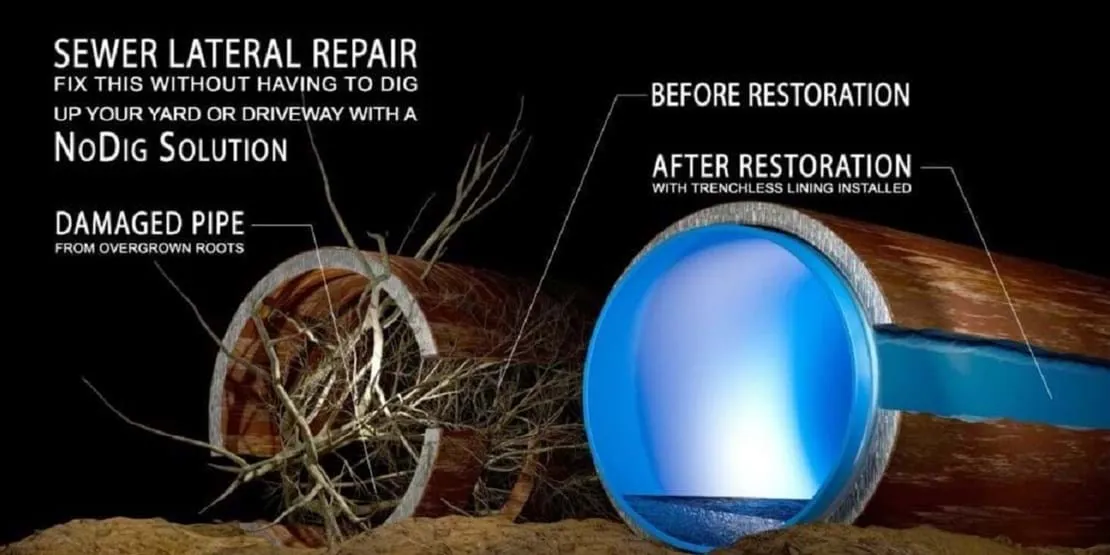
Once we have a clear diagnosis, our focus is on providing a permanent fix with the least possible disruption to your property. This is where our trenchless, no-dig methods come to the fore. For a severely blocked or damaged pipe, the traditional alternative would be extensive excavation—digging up gardens, driveways, or floors to locate and replace the pipe.
We specialise in avoiding that entirely. For rehabilitated pipes, techniques like CIPP (Cured-In-Place Pipe) relining allow us to create a new, seamless pipe within the old one. For access or to clear complex blockages, we use high-pressure water jetting and robotic cutters. These processes are conducted through existing access points, meaning we resolve the core issue without turning your property into a building site. The result is a restored flow with a warranty, often completed in a day, and with no landscaping or reinstatement costs for you to manage afterwards.
Making the Informed Decision
The choice between DIY and professional intervention ultimately hinges on the severity and location of the blockage. A simple sink clog is one matter; a failing main drain is another. By calling us at the right time, you avoid the frustration of repeated DIY failures and prevent a partial blockage from escalating into a total failure or a costly pipe collapse.
Our role is to provide a definitive, engineered solution that restores full function to your drainage system. We prioritise methods that protect your landscaping and interior finishes, ensuring the repair process itself is as smooth as the flow we restore. When in doubt, a professional assessment provides clarity and a path forward, safeguarding your property from hidden drainage issues.
Frequently asked questions
What are the main risks of trying to unblock a drain myself?
The primary risks are inadvertently pushing the blockage deeper into the system, damaging pipe joints or older pipework with tools or chemicals, and misdiagnosing the issue. A partial collapse or root intrusion requires professional repair; DIY attempts on these can worsen the damage and increase the final cost.
How do your no-dig methods actually fix a blocked drain without digging?
We use access points like manholes or existing cleanouts. High-pressure water jetting clears tough blockages, while CCTV inspection identifies any underlying pipe damage. If the pipe needs rehabilitation, we can install a CIPP resin liner through the same access point, which hardens to form a new pipe inside the old one—all without excavation.
If I call a professional, will you have to dig up my garden or driveway?
Not typically, as we are trenchless specialists. Our first objective is always to resolve the issue via no-dig methods like jetting, rodding, or relining. Excavation is a last resort for situations where the pipe is completely inaccessible or has totally disintegrated, which our CCTV survey would identify upfront.