How Long Does Drain Relining Take? A Timeline for Minimal Disruption
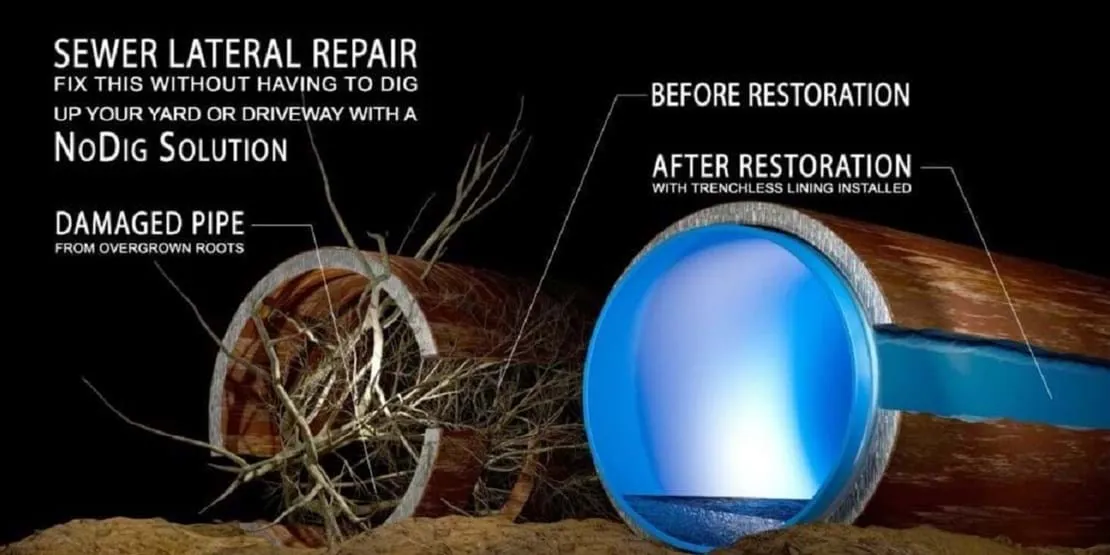
Drain relining typically requires 1-2 days from inspection to completion, offering a rapid, trenchless solution that avoids excavation and minimises disruption to your property.
The Efficient Timeline of Trenchless Drain Relining
When a drain fails, the traditional thought is of lengthy, invasive excavation. As no-dig specialists, we provide a precise alternative. A complete CIPP (Cured-In-Place Pipe) relining project, from initial assessment to final cure, is typically a matter of days, not weeks. The core installation and curing phase for a standard residential run often concludes within a single day. This rapid turnaround is the cornerstone of the minimal disruption we promise.
Breaking Down the No-Dig Process
The efficiency of drain relining stems from its methodical, trenchless stages. First, our engineers conduct a detailed CCTV drain survey. This crucial diagnostic step, usually taking a few hours, maps the drain's condition, pinpointing the exact issue and confirming relining is the optimal solution. There is no guesswork; we see the problem directly and plan the repair with precision.
Following the survey, any necessary pre-cleaning is performed using high-pressure water jetting to ensure the host pipe is clear of debris. The liner, impregnated with resin, is then precisely inverted or pulled into place through an existing access point. This installation process itself is remarkably swift, often completed in just a few hours for a standard section. The resin is then cured, traditionally using hot water or, increasingly, UV light, which hardens the liner to form a smooth, jointless new pipe within the old. This curing cycle is a matter of hours.
Why Relining Is Faster Than Excavation
Comparing timelines highlights the no-dig advantage. Excavation requires locating utilities, manual digging, pipe replacement, backfilling, and reinstatement of surfaces—a process that can extend over many days and disrupt gardens, driveways, or floors. Trenchless relining bypasses almost all of this. Our work is access-focused, usually from a single manhole or access point. There is no need to dig trenches, no piles of earth, and no lengthy landscape or hardscape restoration. The result is a structurally sound repair achieved with surgical precision and remarkable speed, leaving your property virtually untouched.
While most standard projects are resolved in 1-2 days, complex situations—such as very long runs, multiple defects, or difficult access—may extend the timeline slightly. However, even in these cases, the no-dig method remains significantly faster and less intrusive than traditional dig-and-replace. Our goal is to restore full drain function with the least possible impact on your daily routine, and the controlled, predictable timeline of CIPP relining allows us to do just that.
Frequently asked questions
Is drain relining really a permanent fix?
Yes, when correctly installed, CIPP relining creates a durable, jointless new pipe within the old one. It is designed to last for decades, resisting root ingress and corrosion, and is widely recognised as a long-term rehabilitation solution.
Will my property be left with a mess after the work?
No. A core benefit of our trenchless method is the absence of excavation. Our engineers work from existing access points, so there are no trenches to backfill and no landscaping or paving to reinstate. The site is left clean and undisturbed.
Can all damaged drains be relined?
Most can, but not all. Severe collapses or pipes that are misaligned may require alternative approaches. This is why we always begin with a CCTV survey to diagnose the issue accurately and confirm that no-dig relining is the most effective and reliable solution for your specific situation.