We explain how modern drain clearance works, focusing on non-invasive methods like high-pressure jetting and CCTV surveys that avoid the need for disruptive excavation.
The Modern Approach to Drain Clearance
For many property owners, the concept of drain clearance conjures images of disruptive excavation and trenches across a driveway or garden. Our approach is fundamentally different. As specialists in no-dig and trenchless solutions, we focus on internal methods that resolve blockages and restore flow without the need for excavation. This philosophy of minimal disruption guides every clearance job we undertake.
Diagnosis: The CCTV Survey
Before any clearance work begins, accurate diagnosis is essential. We deploy a small, high-resolution CCTV camera into the drain. This allows our engineers to see the exact location, nature, and extent of a blockage or defect in real-time on a monitor. This step is crucial for choosing the correct clearance method and for identifying any underlying issues, such as cracks or root ingress, that might require a future CIPP relining solution. It transforms guesswork into a precise, targeted plan.
Clearance Methods: High-Pressure Jetting
The primary tool for modern, non-invasive drain clearance is high-pressure water jetting. Our engineers use a specialised unit that pumps water at extremely high pressure through a flexible hose and nozzle, which is fed into the drain. The force of the water cuts through and dislodges even the most stubborn blockages, including compacted fat, grease, scale, and silt. The jetting process simultaneously cleans the pipe walls, scouring them back to a clear state and restoring the original flow capacity. This is a highly effective method that accesses the problem entirely from within the existing drain system.
For more localised or delicate blockages, traditional rodding and augering techniques are still employed by our engineers where appropriate. However, these are always performed with the guidance of a prior CCTV inspection to ensure they are the right tool for the job and to prevent any accidental damage to the pipes.
Verification and Future Planning
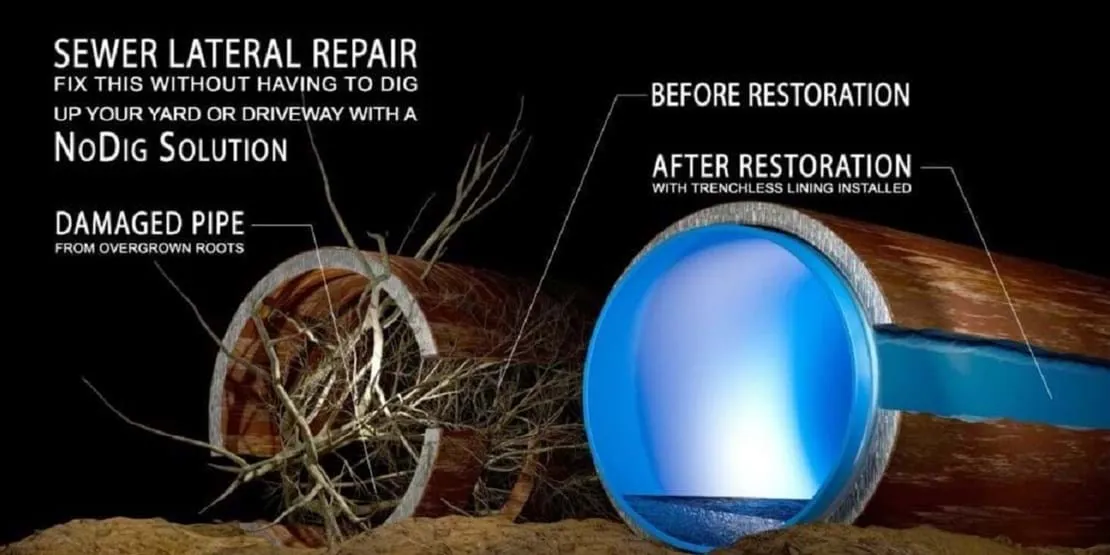
Once clearance is complete, the job is not finished. We typically perform a post-clearance CCTV survey to verify the drain is completely clear and flowing freely. This provides you with documented proof of the work done. Furthermore, this survey allows us to assess the overall condition of your pipes. If we identify cracks, fractures, or areas of deterioration, we can advise on a proactive, trenchless CIPP (Cured-In-Place Pipe) relining solution. This seals the pipe from within, preventing future blockages and avoiding a much larger excavation project down the line.
Our entire process—from diagnosis through clearance to verification—is designed to be precise, reassuringly non-destructive, and focused on providing a long-term solution with the least possible disruption to your property and daily life.
Frequently asked questions
Will you need to dig up my garden to clear my drains?
Almost never. As no-dig specialists, we use access points like manholes or rodding eyes to insert our high-pressure jetting equipment and CCTV cameras. The clearance work happens entirely inside your existing pipes, eliminating the need for disruptive and costly excavation.
How does high-pressure jetting work?
A powerful pump forces water at very high pressure through a hose and specialised nozzle into the drain. The jet cuts through blockages like fat, roots, and debris and scours the pipe walls clean. It's the most effective trenchless method for restoring full flow without digging.
Why do you use a CCTV camera before clearing a blockage?
The CCTV survey allows us to diagnose the exact problem visually. We can see the blockage type, its location, and the pipe's condition. This ensures we use the most effective clearance method and can also spot any pipe damage that might need a future trenchless relining repair, saving you from bigger problems later.