Fatbergs Explained: What They Are and How to Prevent One
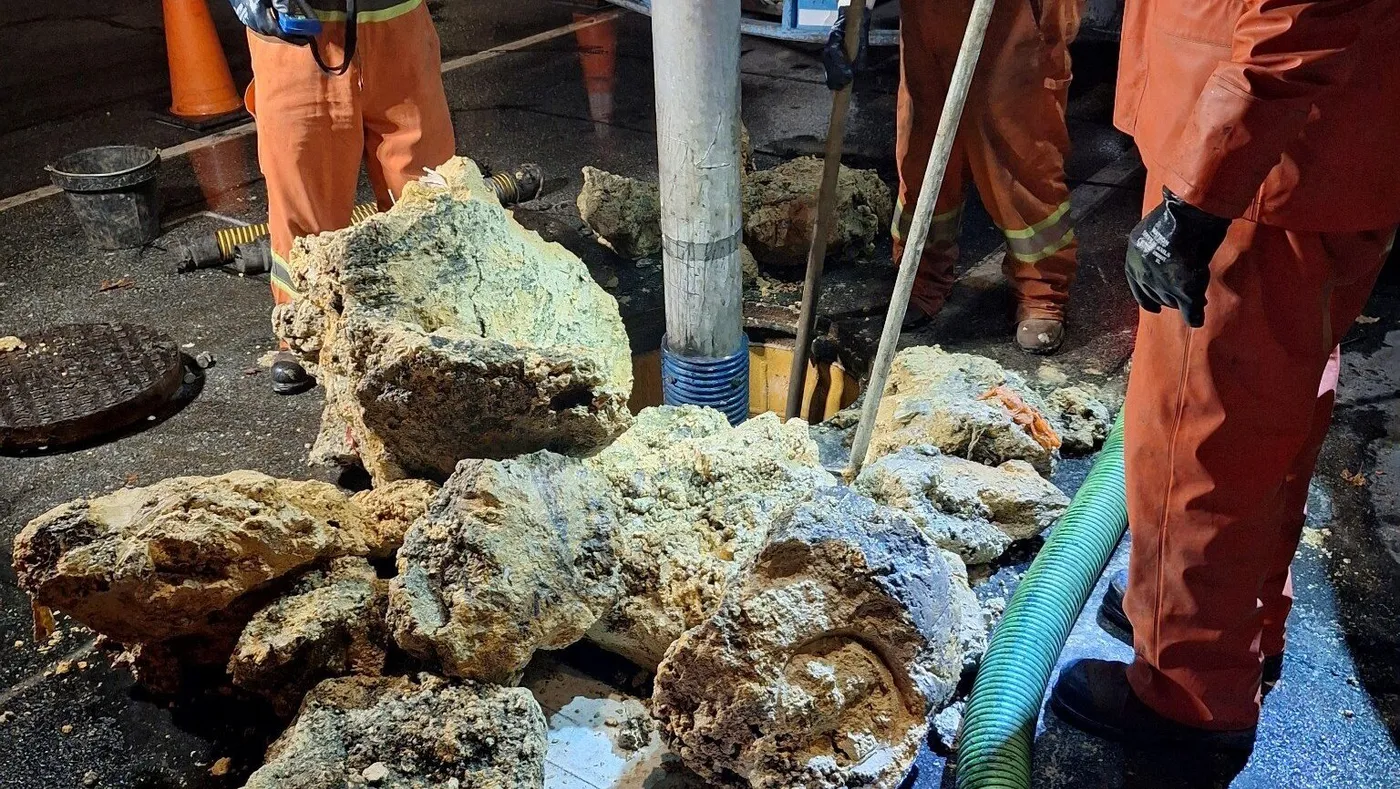
A fatberg is a solid mass of congealed fat, wipes, and other waste that blocks sewers. We explain how they form and the modern, no-dig solutions for removal and prevention.
What Exactly Is a Fatberg?
In simple terms, a fatberg is a subterranean blockage that forms when fats, oils, and grease (often referred to as FOG) poured down drains cool, solidify, and combine with non-biodegradable items like wet wipes, sanitary products, and cotton buds. This creates a hard, rock-like mass that adheres to sewer walls, severely restricting or completely stopping wastewater flow. Unlike simple blockages, fatbergs can grow to immense sizes over time, becoming major obstructions that affect entire drainage lines and can lead to severe backups and environmental damage.
The Modern, Trenchless Approach to Fatberg Removal
Traditional excavation to reach and remove a fatberg is incredibly disruptive, costly, and often impractical, especially under buildings or roads. Our specialist engineers use advanced trenchless techniques to resolve these issues with minimal disturbance. The primary method involves high-pressure water jetting, which uses a focused, ultra-high-pressure stream of water to break the fatberg down into small, manageable pieces that can then be flushed through the system. For larger, more hardened blockages or in pipes that have been damaged by the pressure of the obstruction, we follow up with CCTV drain surveys to assess the pipe's condition and may recommend CIPP (Cured-In-Place-Pipe) relining. This no-dig repair method creates a new, seamless pipe within the old one, restoring flow and preventing future build-up on rough, damaged walls—all without a single trench.
How You Can Help Prevent a Fatberg
Prevention is always preferable to a cure, especially one that requires emergency drain clearance. The most effective step you can take is to never pour cooking fats, oils, or grease down the sink. Instead, let them cool and solidify, then scrape them into your general waste bin. Furthermore, only the three Ps—pee, poo, and (toilet) paper—should be flushed. Even products labelled 'flushable', like certain wipes, do not break down sufficiently and are a primary component of fatbergs. Regular professional drain maintenance, including CCTV surveys and preventative jetting for commercial kitchens or properties with high usage, can also identify early signs of FOG accumulation before a major blockage forms.
If you suspect a growing blockage—indicated by slow drainage, gurgling sounds, or unpleasant odours—acting quickly is crucial. A small accumulation is far simpler and less costly to address than a fully-formed fatberg. Our engineers are equipped with the diagnostic and no-dig removal tools to clear the line efficiently, preventing the situation from escalating into a major incident that could cause internal flooding and extensive damage to your drainage infrastructure.
Frequently asked questions
Can a fatberg form in my private drains, or is it just a sewer problem?
Absolutely. Fatbergs commonly form in the smaller diameter pipes of private drainage systems, especially from kitchens and serving multiple properties. Any pipe where fats combine with non-flushable items is at risk, often leading to backups within your own property boundaries.
Does chemical drain cleaner work on a fatberg?
No. Chemical cleaners are ineffective against the solid, congealed mass of a fatberg and can be dangerous to use. They may also damage your pipes. Professional, mechanical methods like high-pressure water jetting are the only reliable way to break down and remove such a severe blockage.
How do you clear a fatberg without digging up my driveway or garden?
We use trenchless methods. High-pressure water jetting breaks apart the fatberg via existing access points. Following clearance, a CCTV survey assesses the pipe. If damage is found, we can rehabilitate the line using CIPP relining, which creates a new pipe interior without excavation, restoring full flow with minimal disruption.