What Does a Bad Drain Smell Mean? A No-Dig Specialist's Guide
A persistent bad smell from your drain usually indicates a blockage or a damaged pipe. Our trenchless repair methods can diagnose and fix the root cause without excavation.
A persistent, foul odour emanating from your drains is more than just a nuisance; it's a clear signal from your drainage system that something is wrong. As no-dig drainage specialists, we encounter this issue frequently. The smell is typically caused by a blockage or a break in the pipe, trapping waste and allowing sewer gases to escape into your property. Understanding the likely causes helps us apply the precise, minimal-disruption solution required.
Common Causes of Foul Drain Smells
The most frequent culprit behind a bad drain smell is a partial or complete blockage. Food debris, grease, soap scum, and non-flushable items can build up over time, creating a stagnant, decomposing mass that releases hydrogen sulphide gas – the classic 'rotten egg' odour. Another serious cause is a cracked or broken pipe, often due to ground movement or ageing. This damage allows waste to leak into the surrounding soil and sewer gases to seep back up towards your property. A dried-out drain trap, which is designed to hold water and block gases, can also be the source if a fixture is infrequently used.
Our Trenchless Approach to Diagnosis and Repair
When you report a bad drain smell, our first step is a precise diagnosis using CCTV drain surveys. Our engineers insert a flexible, high-resolution camera into your drains. This allows us to visually inspect the entire pipe length without any digging, pinpointing the exact location and nature of the blockage or defect. This method is fast, accurate, and completely non-invasive.
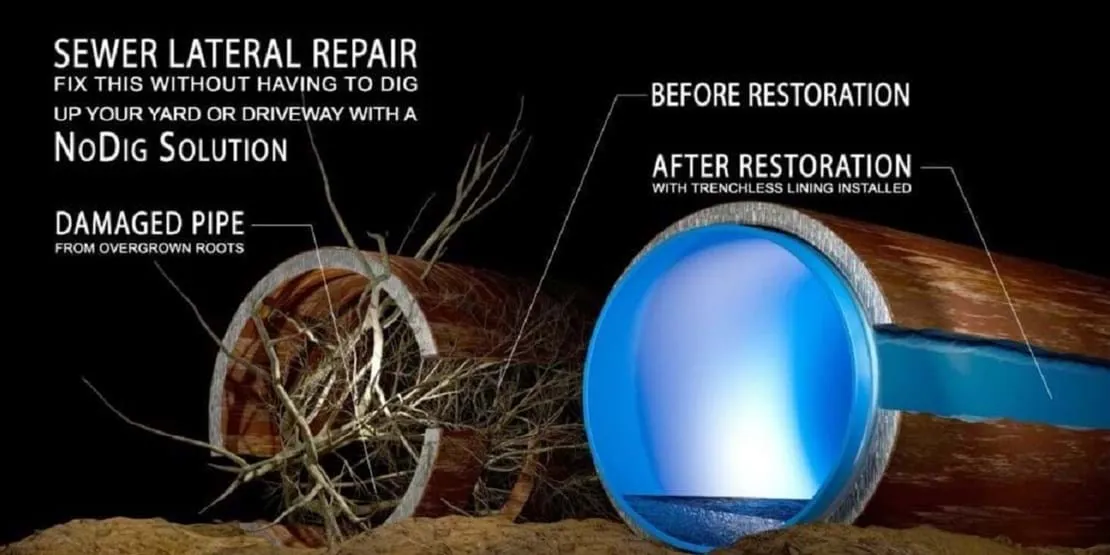
For blockages, we utilise high-pressure water jetting to scour the pipe walls and remove the obstruction, restoring full flow. If the camera survey reveals a crack, fracture, or hole in the pipe, our primary solution is CIPP (Cured-In-Place Pipe) relining. This trenchless technique involves inserting a resin-saturated felt liner into the damaged pipe. It is then inflated and cured in place using hot water or steam, forming a seamless, jointless, and durable new pipe within the old one. This process seals all leaks and cracks, eliminating the source of the odour and structurally renewing your drain.
Why Choose No-Dig Solutions for Smelly Drains?
Opting for our trenchless methods to resolve foul smells offers significant advantages. The core benefit is minimal disruption. Traditional repair would require excavating a trench to access the damaged pipe, destroying landscaping, driveways, or floors. Our no-dig techniques require only small, strategic access points. The work is completed much faster, often in a single day, causing far less inconvenience to your household or business. Furthermore, the CIPP liner is highly resistant to root ingress and corrosion, providing a long-term solution that prevents the problem from recurring. By addressing the root cause without excavation, we provide a precise, clean, and reassuringly efficient repair.
Ignoring a persistent drain smell is not advisable. It often worsens, leading to slower drainage or complete backups. By contacting a specialist at the first sign, you allow for a simpler, quicker intervention. Our no-dig philosophy ensures that solving the problem beneath your feet doesn't create a new one at surface level, keeping your property intact and your environment odour-free.
Frequently asked questions
Can a bad drain smell be fixed without digging up my garden?
Absolutely. In the vast majority of cases, yes. Using CCTV surveys to diagnose the issue, we can then employ trenchless techniques like high-pressure jetting for blockages or CIPP relining for broken pipes. These methods repair the drain from within, typically requiring only small access points, leaving your garden, driveway, and foundations undisturbed.
Is a smelly drain always a sign of a serious problem?
While sometimes caused by a simple, localised trap evaporation, a persistent foul odour frequently indicates a developing blockage or pipe damage. It is an early warning sign that should be investigated. Leaving it can allow the issue to escalate, potentially leading to slow drainage, backups, or more extensive pipe damage, which is why a professional CCTV survey is recommended.
How does CIPP relining stop the smells from a broken drain?
CIPP relining creates a seamless, jointless new pipe wall inside the old, damaged one. This completely seals all cracks, holes, and faulty joints that were allowing sewer gases to escape and waste to leak into the surrounding soil. By eliminating these escape routes and restoring pipe integrity, the source of the odour is permanently sealed off.