Commercial Kitchen Grease Trap Maintenance: A No-Disruption Guide
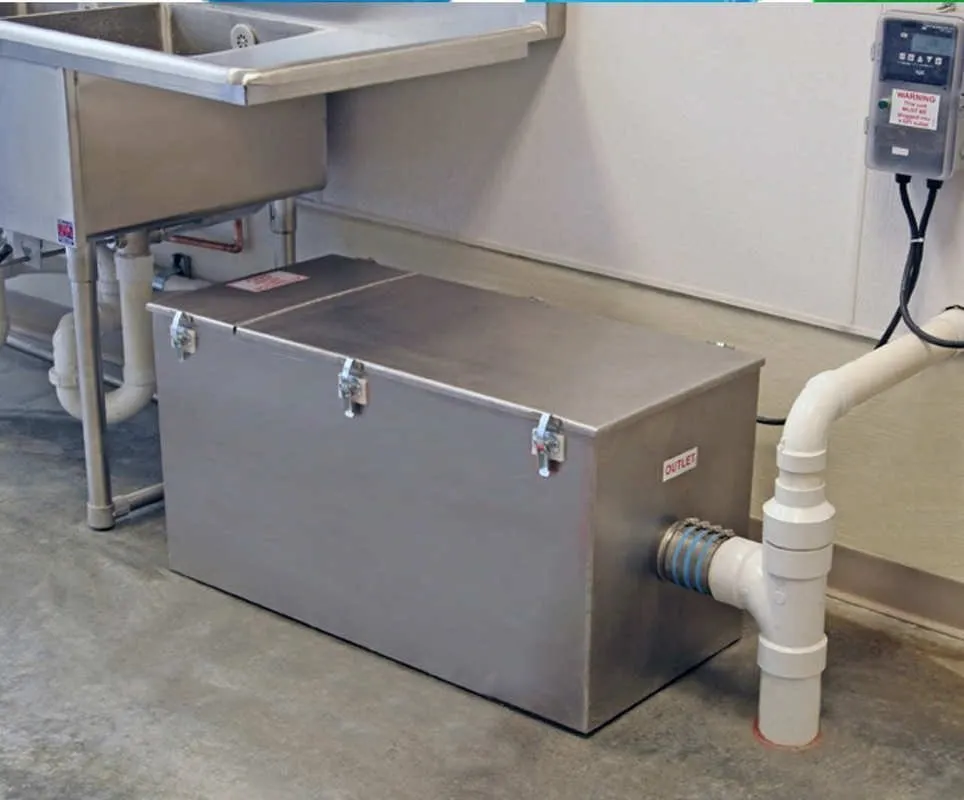
Our guide explains how proactive, no-disruption grease trap maintenance and specialist CIPP relining can prevent costly drainage blockages and environmental non-compliance.
The Critical Role of Your Grease Trap
In any commercial kitchen, from bustling restaurants to hotel catering, the grease trap is the first line of defence against drain blockages and costly environmental damage. Its job is to capture fats, oils, and greases (FOG) before they enter the main drainage system, where they cool, solidify, and form stubborn fatbergs. Neglecting this vital piece of equipment isn't just a risk to your operations; in London, it can also lead to significant non-compliance with local wastewater bylaws.
Preventative Maintenance: The No-Disruption Approach
We advocate for a proactive, no-disruption approach to grease trap care. This begins with regular, scheduled cleaning and pumping-out by certified professionals—not a reactive measure taken only after a blockage occurs. Our engineers can integrate these services into your operational schedule with minimal fuss, often working outside of peak kitchen hours. Crucially, this routine maintenance prevents the need for invasive excavation or emergency pipe repairs later, protecting your business floor, kitchen integrity, and daily operations from severe disruption.
Effective kitchen practices are equally vital. Training staff to scrape food waste into bins—not sinks—and to use sink strainers is a simple yet powerful step. We also advise establishing a waste disposal protocol for cooking oil, ensuring it is collected for proper recycling rather than being washed away.
When Problems Arise: Advanced No-Dig Solutions
Even with the best maintenance, issues can develop downstream. Traditional methods to repair damaged pipes connected to grease traps often involve digging up floors or car parks—a hugely disruptive, time-consuming, and expensive process. This is where our trenchless, no-dig specialism provides the optimal solution.
For severely compromised pipes, we utilise Cured-In-Place Pipe (CIPP) relining. Our engineers insert a flexible, resin-saturated liner into the existing pipe. Once inflated and cured, it creates a new, seamless pipe-within-a-pipe that is highly resistant to FOG adhesion and corrosion. This entire process is conducted from accessible access points, meaning your commercial kitchen can remain fully operational with no excavation, no structural damage, and a fraction of the downtime associated with traditional pipe replacement.
Ensuring Compliance and Operational Continuity
Beyond immediate functionality, regular grease trap maintenance is a key compliance requirement. A well-maintained system prevents FOG from polluting the public sewer network, helping you avoid potential fines. By partnering with specialists who understand both the plumbing and the regulatory landscape, you secure your operation’s continuity. Our focus on no-dig repair methods ensures that any necessary intervention is swift, clean, and designed to keep your business running smoothly, safeguarding your reputation and your premises.
Frequently asked questions
How often should my commercial grease trap be cleaned?
The frequency depends entirely on your kitchen's volume and output, but as a rule within the plumbing industry, quarterly servicing is a standard starting point for most busy establishments. We assess your specific operation to recommend a schedule that prevents FOG build-up and avoids emergency situations.
What happens if my grease trap or its outflow pipe is blocked?
We first deploy high-pressure water jetting to clear the immediate blockage and inspect the pipe with CCTV drain cameras. If the pipe is cracked, collapsed, or heavily coated, we then recommend a permanent no-dig solution like CIPP relining to restore full flow without any excavation of your kitchen floor or external yard.
Can you service a grease trap without closing my kitchen?
Absolutely. Minimising disruption is central to our approach. Our engineers schedule pump-outs and maintenance for times that suit your operation, such as before opening or after closing. For any necessary repairs using our trenchless CIPP relining methods, the work is conducted from an access point, allowing your kitchen to remain fully functional throughout the process.