CCTV Drain Surveys for Insurance Claims: A Step-by-Step Guide
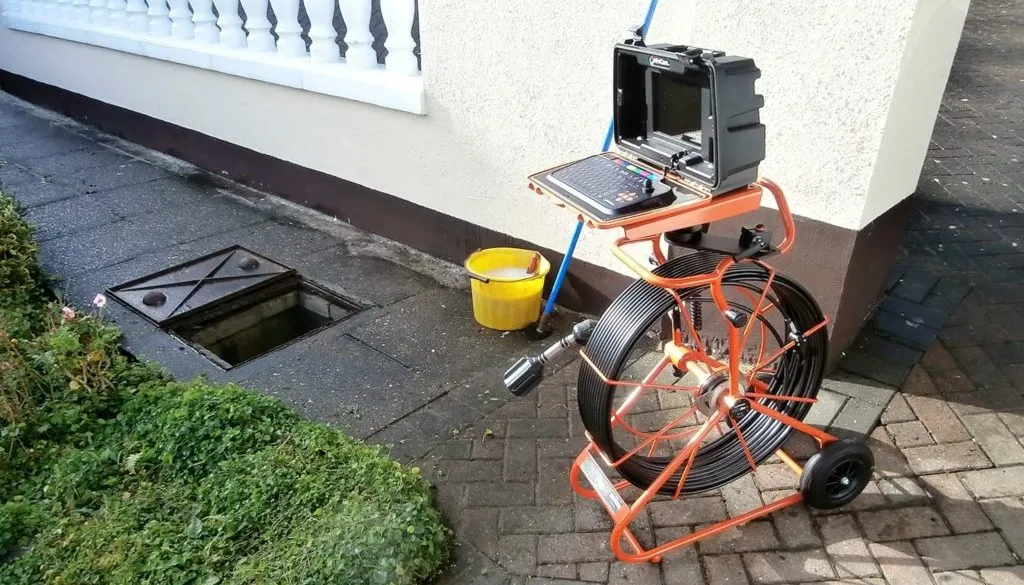
Using precise CCTV drain surveys, we provide the documented evidence insurers need to validate your drainage claim, all without disruptive excavation.
The Critical Role of CCTV Surveys in Insurance Validation
When unexpected drainage issues cause property damage, your insurance provider will require robust, objective evidence to support your claim. A professional CCTV drain survey provides exactly that: a clear, visual record of the problem's cause and extent. We specialise in providing this crucial documentation using advanced, non-invasive camera technology. Our engineers do not need to excavate your property to conduct the survey, meaning the evidence-gathering process itself causes no further disruption or damage. This documented proof is often the linchpin for a successful claim, moving the process forward with clarity and confidence.
Step-by-Step: From Survey to Submission
The process begins with our engineers accessing the drain through an existing inspection chamber or access point. Our high-resolution, pan-and-tilt CCTV camera is inserted into the pipework, transmitting a live feed and recording HD video of the internal condition. We systematically map the network, identifying the precise location, nature, and cause of any defect—be it a blockage, root intrusion, collapse, or broken seal. Crucially, we provide a comprehensive written report alongside the video evidence. This report details the findings with timestamps, still images, and a clear explanation of the defect. This complete package forms the professional assessment you submit to your insurer.
Why a Professional Survey is Non-Negotiable
Insurers expect professional, unbiased documentation. Our reports are produced to an industry-standard format that claims handlers recognise and trust. Attempting to use amateur methods or lacking clear evidence can lead to delays, queries, or claim rejection. Our precise surveys establish whether the damage was caused by a sudden, identifiable event (like a structural failure) or by gradual wear and tear, which is critical information for your insurer. Furthermore, should you need subsequent repairs, our trenchless solutions like CIPP relining can often be proposed directly, based on the survey findings, providing a seamless path from claim validation to resolution without the upheaval of digging.
Once you receive our report, the next step is straightforward. You submit it to your insurance company alongside your claim form. The visual proof and expert analysis within the report answer their immediate questions, reducing back-and-forth communication. It provides a factual basis for the scope and cost of any necessary repairs. Our team is also available to explain the technical details to your loss adjuster if required, ensuring everyone has a clear understanding of the situation derived from the same objective evidence.
Frequently asked questions
Will my insurer accept a CCTV drain survey report?
Yes, a professional report from a certified drainage specialist is the standard form of evidence insurers require for drainage-related claims. It provides the impartial, technical proof they need to validate the cause and extent of the damage.
Do you need to dig up my garden or driveway to do the survey?
No. Our CCTV surveys are entirely trenchless. Our engineers use existing access points like inspection chambers to insert the camera. This means we gather the evidence your insurer needs without causing any excavation or additional disruption to your property.
What happens after the survey if my claim is approved?
If repairs are needed, we can often address the identified problems using our no-dig methods, such as pipe relining. This means the repair process itself also avoids major excavation, minimising further disturbance and often aligning with your insurer's preference for efficient, cost-effective solutions.