A drain survey is a crucial, often overlooked step in the home-buying process. Our no-dig approach uses CCTV technology to reveal hidden issues without excavation, helping you avoid costly future repairs.
When purchasing a property, the checklist is long: mortgage approval, structural surveys, and legal searches. Yet, one critical element is frequently overlooked—the condition of the underground drainage system. Hidden from view, drain problems can be a source of significant expense and disruption after you move in. As specialists in no-dig, trenchless solutions, we believe a pre-purchase drain survey is a wise investment for any buyer.
Why a Drain Survey is a Smart Investment
A standard property survey will not inspect the private drainage pipes running from your home to the public sewer. These can be decades old and may be suffering from cracks, blockages, root ingress, or even collapse. A dedicated drain survey uses a high-resolution CCTV camera to travel through the pipes, providing a clear, real-time visual inspection. This proactive step can reveal defects that, if left unchecked, could lead to sewage backups, foul odours, or subsidence in your new garden.
Forewarned is forearmed. The findings from a drain survey can empower you in price negotiations, allowing you to request a reduction or insist the vendor fixes the issues before completion. Alternatively, it gives you a clear picture of potential future costs, so there are no nasty surprises. For us, the goal is always to provide clarity and prevent problems before they escalate.
Our Trenchless, Minimal-Disruption Approach
Our entire methodology is built around the principle of minimal intrusion. The survey itself is a non-invasive process. Our engineers insert a flexible, waterproof camera into an accessible drain point, such as a manhole. We then guide it through the entire network, recording the footage for a detailed report. There is no digging, no mess, and the process is typically completed within a few hours.
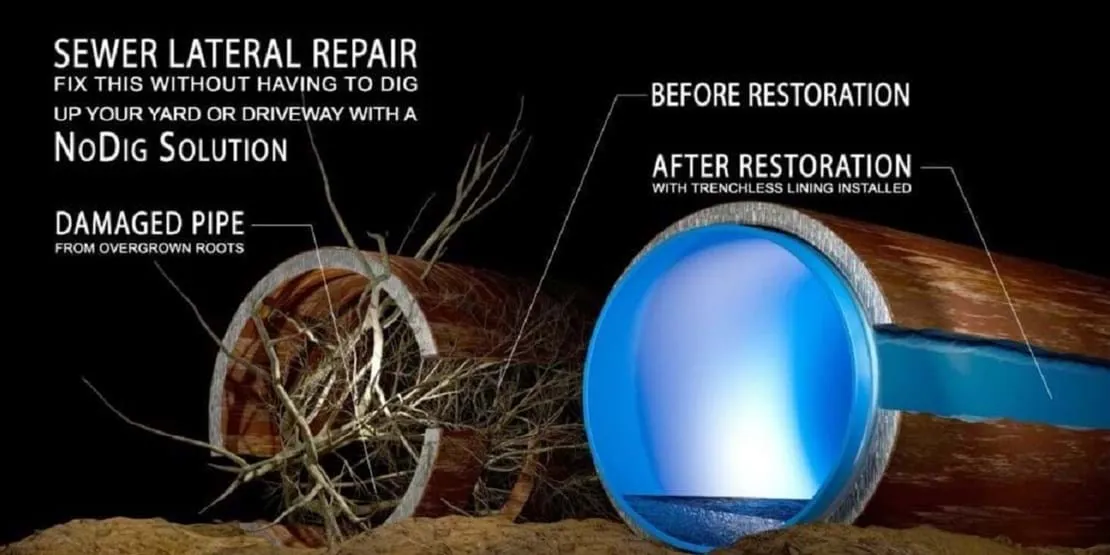
Should the survey identify issues that require repair, our expertise in trenchless technology means a solution is at hand without the need for extensive excavation. Techniques like CIPP (Cured-In-Place-Pipe) relining allow us to rehabilitate damaged pipes from within. A resin-saturated liner is inserted and cured to form a new, seamless pipe inside the old one. This process restores structural integrity, prevents root ingress, and can extend the drain's life by decades—all without tearing up your future driveway, patio, or garden.
Understanding the state of the drains provides profound peace of mind. You are not just buying a house; you are securing a home. Knowing that the hidden infrastructure is sound, or having a clear, no-dig plan to make it so, allows you to proceed with confidence, safe in the knowledge that you have safeguarded your investment from one of property's most common and disruptive hidden faults.
Frequently asked questions
What exactly does a drain survey before buying a house involve?
Our pre-purchase drain survey involves inserting a high-definition CCTV camera into the property's drainage system via an access point like a manhole. The camera is navigated through the pipes, providing a live video feed that we record. This allows us to identify any defects, such as cracks, blockages, or root intrusion, without any excavation. You receive a detailed report with the findings.
If the survey finds a problem, does that mean my garden will be dug up?
Not necessarily. As trenchless specialists, our first solution for many common drain defects is CIPP relining. This no-dig technique repairs pipes from the inside by installing a durable, resin-coated liner that cures in place. It avoids the major disruption, cost, and restoration work associated with traditional excavation, making it an ideal solution during a property transaction.
Is a drain survey really necessary if the house is newly built?
While less common, issues can still occur in newer properties due to installation errors, ground settlement, or accidental damage during construction. A survey provides a baseline record of the drain's condition at the point of purchase, which is valuable for warranty purposes and future maintenance. For older properties, it is considered an essential step.